Professional Fence Replacement Services to Fit Every Budget
Reliable fence replacement services are vital for residents aiming to upgrade their premises. With a wide range of selections accessible, from economical chain link to sophisticated wooden designs, there is a solution fitting every financial plan. Understanding individual needs, such as privacy and aesthetics, plays a key role in this decision. However, selecting the right contractor and materials can be overwhelming. What aspects ought to be examined to secure a favorable conclusion?
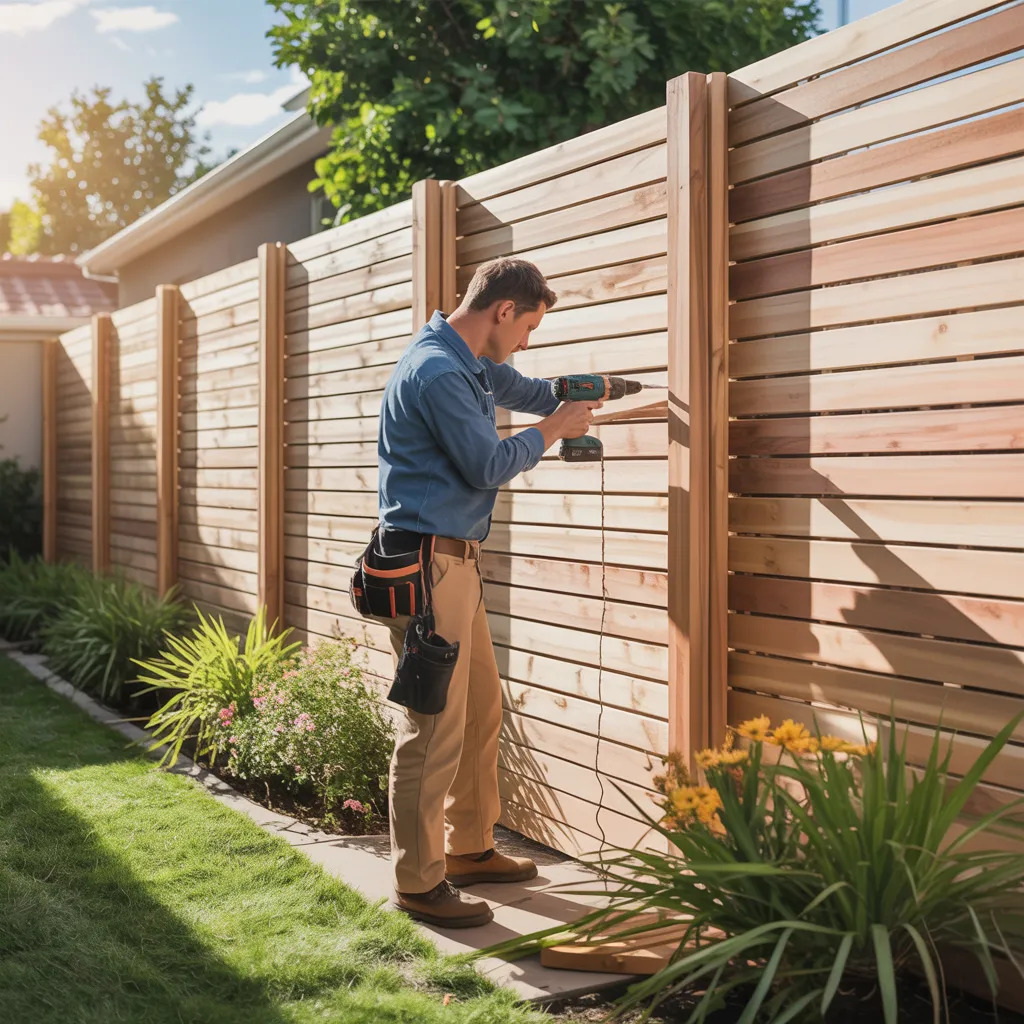
How to Select the Best Fence for Your Property
When considering the ideal fence for a property, one should carefully consider various factors that influence the decision. The foremost considerations encompass the primary role of the fence, whether for privacy, security, or aesthetic appeal. Furthermore, the regional climate is a critical factor; materials must withstand environmental conditions to guarantee longevity. Land boundaries and municipal zoning requirements must likewise be assessed to eliminate the risk of disagreements with neighboring residents.
An equally significant consideration is upkeep; not all materials require the same level of attention. Homeowners should consider their willingness to commit time and resources to fence maintenance. Furthermore, personal design choices should harmonize with the home's architectural character. Through careful consideration of these elements, homeowners can make well-informed decisions that improve their property while meeting their unique requirements.
Budget-Friendly Fence Options: Materials and Styles
When thinking about replacing your fence, cost-effective choices can provide both value and aesthetic appeal. Various materials, such as vinyl and chain-link fencing, offer cost-effective solutions without cutting corners on durability. Additionally, flexible design choices allow property owners to achieve the desired aesthetic while remaining within budget constraints.
Cost-Effective Material Selections
Affordable material options for fencing can significantly affect both the finances and aesthetic appeal of a property. Widely used options include chain link, which delivers long-lasting performance at a reduced cost, and vinyl, known for its low maintenance and long lifespan. Wood fencing, notably pressure-treated pine, deliver a traditional aesthetic and can be economical if obtained from local suppliers. Composite options, while slightly pricier, combine the look of wood with improved longevity, making them a smart investment. Furthermore, bamboo is an sustainable choice that can bring a distinctive charm to outdoor spaces. Each material presents specific advantages, allowing homeowners to select materials that suit their budget requirements while elevating their property's appearance.
Adaptable Design Selections
Picking the correct options for a fence not only impacts budget but also opens the door to a range of design possibilities. Property owners can pick from a selection of cost-effective options, such as chain-link, vinyl, or wood fences, each providing distinct design characteristics. For instance, vinyl can replicate the look of wood while needing less upkeep, while a chain-link fence is ideal for an open, unobtrusive view. Furthermore, wood can be stained or painted to complement any landscape, allowing for flexibility. Options like split rail or picket designs can boost your property's appearance without straining your budget. By thoroughly reviewing these materials and styles, property owners can achieve a attractive fence that enhances their home while adhering to budget limitations.
Factors That Ensure Long-Lasting Durability
While different materials provide unique visual characteristics, their durability greatly impacts the longevity and maintenance of budget-friendly fencing options. Wood, while popular for its natural appearance, can suffer from rot and insect damage if not properly treated. Vinyl presents a more resilient alternative, resisting fading and cracking, though initial costs may be higher. Chain-link barriers offer long-lasting performance at a reduced cost yet fall short in privacy and visual attractiveness. Metal varieties including aluminum remain light in weight and corrosion-resistant, making them well-suited for a range of environments. At the end of the day, picking a material that strikes a balance between price and longevity is vital for making certain that value-focused homeowners have access to a sturdy fence that lasts through the years while demanding minimal care.
Essential Qualities to Consider in Fence Replacement Services
When evaluating fence replacement services, what important factors should homeowners consider? To begin with, experience and expertise are crucial; well-established companies typically hold the expertise needed to address diverse fence types and installation demands. Additionally, a reputable service should provide transparent communication, ensuring clients are informed throughout the process.
Material quality is another crucial aspect, as they directly impact the lifespan and visual quality of the fence. Homeowners are encouraged to prioritize services that include warranties, reflecting confidence in their workmanship and materials. Customer reviews and testimonials can provide insights into the trustworthiness and quality of the service, helping homeowners make informed choices.
Lastly, design flexibility enables homeowners to choose styles that suit their personal tastes and property appearance. By prioritizing these key attributes, homeowners can identify a fence replacement company that satisfies their requirements and standards with ease.
Comparing Costs: DIY Fence Replacement vs. Professional Installation
When thinking about fence replacement, homeowners often weigh the expenses of DIY work versus professional services. A comprehensive examination of DIY expenditures highlights expenses for materials, tools, and unforeseen costs, while professional options encompass workforce and specialized experience. Understanding these financial aspects is important for arriving at a knowledgeable choice.
DIY Cost Analysis
A great number of homeowners think about the financial aspects of replacing a fence, comparing the advantages of doing it themselves versus hiring professionals. The typical costs of a DIY fence replacement encompass materials, tools, and potential permit fees. Materials such as wood, vinyl, or chain-link can vary considerably in price, with wood generally being the most affordable option. Property owners should also factor in tool expenses—renting or purchasing equipment can add to the overall expense. Moreover, even though labor costs are absent in a DIY project, the amount of time required should be taken into account, as it may be considerable. Unanticipated issues, such as rough terrain or inclement weather, may also strain the budget, making a comprehensive financial assessment necessary prior to starting a DIY project.
Expert Service Costs
Homeowners considering the DIY route commonly find themselves assessing the costs associated with professional fencing services. Generally, enlisting professionals involves labor costs of $30 to $50 hourly, based on the location and scope of the work. Materials can also add significantly to the total cost, with experts frequently selecting superior materials compared to DIYers. Moreover, specialists commonly provide warranties and assurances, delivering lasting value and reassurance. Although DIY efforts may appear more affordable at first, unexpected costs including tools, labor hours, and mishaps can mount quickly. Consequently, for those prioritizing efficiency and quality, hiring professionals may ultimately represent a sound investment.
A Guide to Fence Replacement Costs
How can one assess the costs associated with fence replacement? Several factors influence the overall price of this project. To begin with, the type of material chosen—wood, vinyl, chain-link, or wrought iron—greatly influences pricing. Every material differs in durability, aesthetic appeal, and cost. Additionally, the total area to be fenced significantly affects the total cost; larger spaces necessitate increased materials and more workforce.
Additionally, local labor rates and the complexity of installation can affect pricing. For instance, the need for permits or uneven terrain can contribute to elevated labor costs. Additional features like decorative elements or gates should also be taken into account by homeowners. Seasonal demand may also play a role in pricing, with description contractors often charging higher rates during peak seasons. Grasping these variables is key for homeowners looking to budget appropriately and make informed decisions about replacing their fence.
How to Select the Best Fence Replacement Contractor
When starting a fencing replacement project, what aspects should one examine when selecting a contractor? To begin, it is vital to verify the contractor's credentials, including certifications and insurance. This secures conformity with local guidelines and shields the homeowner from liability. Additionally, examining previous work and gathering references can offer valuable insight into the contractor's trustworthiness and standard of workmanship.
Moreover, collecting multiple bids provides better insight into standard costs and assists in spotting potential issues. Communication plays a vital role; a professional should be attentive, open about their methods, and willing to answer questions. Moreover, checking online reviews can uncover client experiences and overall satisfaction. Lastly, a credible contractor will offer a warranty on their work, proving their trust in their own craftsmanship. By considering these factors, homeowners can arrive at a well-informed choice and choose a contractor that aligns with their needs and budget.
Questions We Often Receive
How Long Does a Typical Fence Replacement Project Take?
A typical fence replacement project usually spans between one and two weeks, influenced by factors such as the total area involved, choice of fencing materials, and weather-related factors impacting the installation.
What Permits Do You Need for Fence Replacement?
Typically, permits required for fence replacement vary depending on the area but typically include zoning permits and building permits. Property owners should consult applicable local regulations to ensure they remain compliant, as requirements may differ considerably between municipalities and homeowner associations.
Can I Put Up a Fence on My Own Property Line?
Indeed, a person is allowed to put up a fence on their personal property line, as long as they comply with municipal regulations and zoning requirements. It is recommended to establish property limits and communicate with adjoining neighbors to steer clear of potential boundary disputes.
What Care Is Necessary After Fence Installation?
Regular maintenance after fence installation encompasses inspecting for damage, cleaning the fence surfaces, adding protective coatings such as stains or sealants, tightening loose hardware, and preventing vegetation from encroaching. Consistent upkeep extends the fence's lifespan and preserves its appearance.
Do Fence Materials and Installation Come with Warranties?
A variety of fence materials and installations come with warranties, differing by manufacturer and installer. Commonly, such guarantees cover material defects and performance standards, providing assurance that customers are given coverage for problems that could occur after installation, improving investment security and overall satisfaction.